
Be Something to Somebody: Building Your ICP
In the last post we did something a little crazy. We built a whole market for a restaurant booking tool, from scratch, in an industry I know nothing about, and we proved the market was real. Now comes the part that trips up almost everyone.
Ask a new business owner who their customer is and nine times out of ten you’ll hear the same thing: “Well, everyone could use this.” I get the instinct. It feels safe. It’s also the fastest way to sell to nobody.
I say this all the time, so let me say it to you now. You want to be something to somebody, not everything to nobody. When you try to talk to everyone, you sound like everyone, and a brand new business has no famous name to hide behind. But when you speak straight to one specific person about their exact problem, they feel it. They think, this is for me. And that’s your shot at a sale.
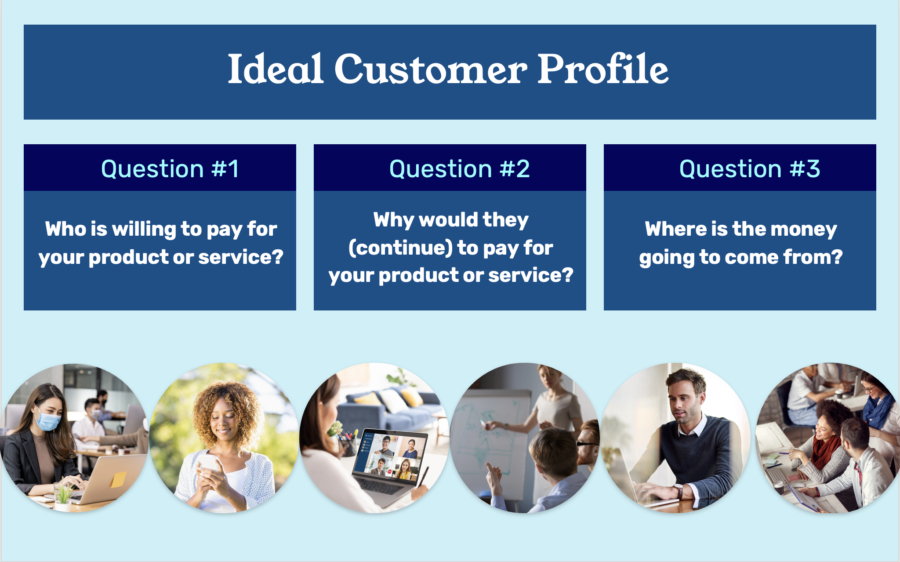
So an ideal customer profile is really just you answering three honest questions.
First, who is actually willing to pay? Not who has the problem. Who will open their wallet. Plenty of people have problems they’ll happily complain about and never spend a cent to fix. So go looking for evidence. Are they already paying a competitor? Is the pain bad enough that fixing it clearly makes or saves them real money? Take our restaurant tool. “We help restaurants take more bookings” is forgettable. “We help Mexican restaurants whose staff and customers move between English and Spanish” shuts a lot of doors on purpose, and it makes the right owner lean in.
Second, why would they keep paying you? Because the real money isn’t in winning a customer once. It’s in never having to win them again. People come back for two reasons. One is desire, the way I keep paying Netflix because I want next month’s shows. The other is need, the way I pay my accountant every single year because the government is never going to stop asking for taxes. Work out which one you’re living on.
And then there’s my favorite lever: delight. If you just hand over the thing people paid for, fine, but they won’t think twice about you next time. If you give them a little more than they expected, they come back without shopping around, and better still they tell their friends, which quietly drops the cost of finding new customers toward zero. Delight doesn’t have to cost much. A freebie. A surprise discount. The fancy fashion houses like Louis Vuitton figured this out ages ago, and Apple copied them. The box your iPhone comes in is designed to give you a little jolt of joy before you’ve even touched the phone. Borrow that energy.
Third, where is the money coming from? Every dollar you earn is a dollar leaving somewhere else. Usually it comes from a competitor, or from some older, manual way of doing things (think driving to a store to rent a DVD before Netflix showed up). Once in a blue moon it’s brand new spending, but that pretty much only happens when something huge shakes people loose, like a pandemic making everyone buy masks, or a strange new gadget like Apple’s headset creating a category out of thin air. Knowing where the money sits tells you exactly whose grip you have to pry it from.
Answer those three and something lovely happens. You stop guessing. You know who you’re for, why they stay, and whose lunch you’re quietly eating.
But all of that living in your head is worth nothing until you can say it out loud in a way that grabs people by the collar. That’s your message. And nobody in history did it better than a certain shipping company you’ve definitely heard of. That story is next.